Colleen & Cristin's Corner - Steamboat Real Estate Blog

Your source for info on buying and selling Steamboat real estate, and living in this beautiful part of Colorado.

Feb. 24, 2016

Contract checklist for home sellers

Know what your home contract means

contract checklist for home sellers

The process of accepting a buyer’s offer can entail a lot of back-and-forth and many documents that require your signature. It can be overwhelming and exhausting for some sellers, but be sure to look for key items in these documents – and ask your real estate agent as many questions as you need to along the way.

Key items to look for in the buyer’s purchase contract:

  • Closing date. Is it the date you expected? Does it allow you a reasonable timeframe for making your move?
  • Possession date. When will the buyer expect to take possession of the property, and how does that affect your plans to pack, clean and move?
  • Personal property. Home contracts allow for buyers and sellers to include personal property with the sale. These items may include appliances, window treatments, patio furniture and more. Review the contract to ensure that the items selected match your expectations.
  • Repairs. Will the buyer expect you to make repairs, and does the contract specify when and how those repairs will occur? Be sure you know your responsibilities and options when it comes to repairs.
  • Contingencies. Most home contracts are contingent on one or more factors before they become final, including home inspections. If the buyer must sell another home or secure a mortgage loan before the purchase can be final, ask your real estate agent about including time limits on those contingencies.
  • Offer expiration. Most offers require a response within a certain timeframe. Know when you must submit an answer, or a counteroffer, to the potential buyer.

Working with a skilled real estate agent can help take some of the pressure off you during the sale of your home. If you are selling a home in Steamboat Springs, contact us using the form below. We would love to put our more than 30 years of experience to work for you. 

Feb. 18, 2016

Questions to ask your mortgage lender

Finding the right loan for your home purchase

questions to ask your mortgage lender

Before you purchase a home, or before you even begin the house hunt, one of the biggest decisions you must make is which lender and which mortgage is the best fit for you. Mortgages are not a one-size-fits-all product, so arm yourself with the information you need to make a sound decision.

When considering mortgage lenders, ask these questions:

  • What types of mortgages do you offer?
  • Which mortgage products are the most common with your clients and why?
  • Is there a mortgage that best fits my needs? Why?
  • What are your rates, fees and closing costs?
  • Are your terms and fees negotiable?
  • Will my mortgage require private mortgage insurance (PMI)? If so, how long will I need to carry PMI?
  • Will you service the loan, or will it be handed off to another company?
  • How long will your quoted interest rate be locked in?
  • How long will it take for my loan to be approved and how will that affect closing?
  • What are the terms of my loan (interest rate, fixed vs. variable rate, down payment required, etc.)?
  • Is there an early payment penalty associated with my loan?

Understanding the timing, terms and fees associated with your loan and your closing will help you plan ahead and budget accordingly. Asking questions early and often will help you avoid any unpleasant surprises, and be sure to ask your real estate agent for any tips based on their years of experience as well.

If you are selling or buying a home in Steamboat Springs, contact us today using the form below. We will put our nearly 30 years of experience to work for you. 
Feb. 18, 2016

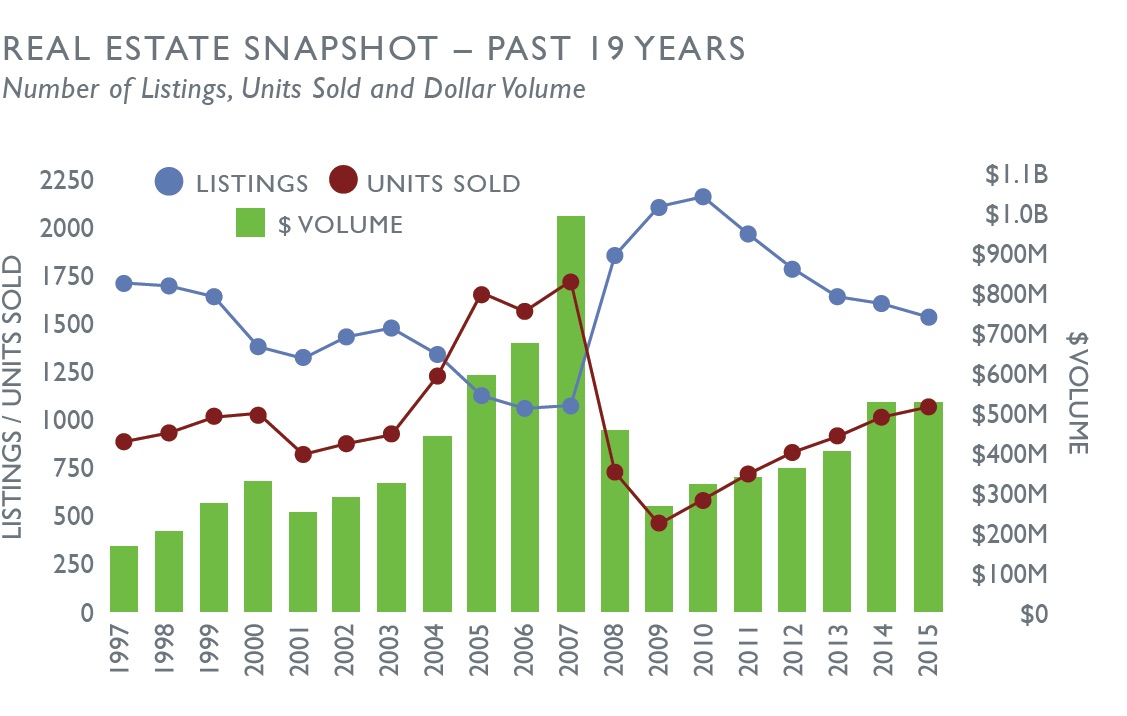
2015 Market Report


Our 2015 Market Report is here!

See comparatives for Listings Sold, Sales Volume, Median Sales Prices, the Resort Market and more…

CLICK HERE FOR FULL REPORT


Feb. 11, 2016

Easy access to Steamboat, thanks to our airport

Yampa Valley Regional Airport connects our beautiful mountains with the world

When people are considering a move to Steamboat Springs, they often ask about the town's accessibility. We are located in Colorado's northern Rockies, about three hours northwest of Denver. Our location sets us in the beautiful backdrop of the Yampa Valley, and we boast a friendly and down-to-earth, small-town charm. 

Don't let our quiet mountain setting fool you, though. Our residents have easy access to the rest of the state, country and even the world through our top-notch airport, the Yampa Valley Regional Airport, which operates daily flights all year round. This airport allows residents to live in the peaceful beauty of our valley, surrounded by breathtaking mountain peaks, but to travel for work and pleasure as needed. 

The airport also accounts for 70 percent of the tourism traffic that comes through Steamboat, so vacation property owners benefit from the airport's key role in ensuring regular visitors to the area. 

We invite you to take a look at this short video that highlights our airport. The opening footage tells the story so eloquently as the silhouette of a plane lands at sunset with a backdrop of gorgeous mountain views. Take a look: 


To learn more about living in Steamboat Springs, and buying property here, contact us using the form below. We are happy to share our town, and our nearly 30 years of experience, with you. 


Feb. 3, 2016

How to determine the right listing price

Pricing tips for sellers

right listing price

It’s no secret that we’re in a buyers’ market right now, and you have likely noticed home prices rising all around you. That is great news if you are ready to sell your home, but it is still important to choose a listing price based on fair market value and market conditions. Of course you want to maximize your profit, but pricing a home too high could hurt your sale.

Here are some factors that influence listing price:

  • Comparables. Recent sales in your neighborhood, especially homes similar in size and style to yours, will impact your listing price. Be sure to note if those comparable listings include renovations or other amenities that your home does not have.
  • Competition. If there are a lot of properties for sale in your area, you want to choose a price that is competitive. Listing much higher than the competition could hurt your chances of attracting buyers.
  • Timing. How fast you want or need to sell should play a part in your listing price. Selecting a fair, but attractive, price can help bring in offers more quickly.
  • Appraised value. Keep in mind that a deal could fall through if the sales price rings in higher than the appraised value, because the buyer’s mortgage loan will be contingent on that appraised value. If you are unsure of how your home will appraise, you can get an appraisal for a few hundred dollars – that investment could save you time and headaches down the road.

Data shows that “a house that is priced right will sell in about half the time of one that is overpriced.” So, it is in your best interest to price your home right the first time. Work with a skilled real estate agent who can help you navigate the art and science of pricing your home for sale.

If you are selling a home in Steamboat Springs, contact us using the form below. We would love to put our nearly 30 years of real estate experience to work for you.


Jan. 27, 2016

Five reasons we love Steamboat Springs

Rich history and outdoor lifestyle are among Steamboat's assets

reasons we love steamboat

There are so many reasons why John and I have chosen to live and sell real estate in Steamboat Springs. It's a truly incredible place to live, and we enjoy connecting others with our area's natural wonders and assets that make it a great place to call home. Below are just a few of those reasons: 

1. Champagne powder. Steamboat Springs is known for its light, airy snow, called "champagne powder" that makes for some excellent skiing and snowboarding. In fact, Steamboat has been using that term since Kremmling rancher Joe McElroy coined it in the 1950s, and the resort holds a registered trademark on that name. 

2. Steam. Many visitors wonder how our town earned its name, given the obvious lack of Mississippi-style steamboats in the Yampa River. The name came from French trappers who were in the area in the early 1800s: They heard a chugging noise, similar to the sound of a steamboat, which turned out to be a hot spring. Now, locals and visitors alike benefit from the soothing and warming effects of our many nearby hot springs. 

3. Athletes. More Olympians (88 of them) call Steamboat their hometown than any other town in the country. For that reason, we're known as Ski Town USA. We are also Bike Town, USA, thanks to our wonderful, natural terrain that is perfect for mountain biking. Whether professional or recreational, Steamboat welcomes and encourages athletes and outdoor enthusiasts at all levels. 

4. History. Steamboat did not grow up as a resort town. It has deep roots as home to Yampatikas Utes, the area's original inhabitants, and grew as fur trappers, miners and ranchers settled here. That history helps make Steamboat the down-to-earth, real town it is. 

5. Accessibility. Although we are a rural mountain town, residents and visitors can access Steamboat easily because of the Yampa Valley Regional Airport, which offers nonstop flights to many major cities around the country, as well as nearby hub Denver International Airport.

If you would like to learn more about living in Steamboat Springs, please contact us using the form below. We can tell you much more about our Colorado mountain lifestyle and the wide variety of real estate available in our beautiful valley. 

Jan. 21, 2016

Financial fitness for homebuyers

Get your finances in order before looking for a home

If you would like to buy a home in the near future, take this steps to ensure your best possible financial position. Doing so will help you secure a lender for your mortgage and also budget for the new costs associated with buying and maintaining a home.

  • Track your expenses. Do you know how much you spend on housing, food, gas, transportation and extras each month? If you don’t now is the time to track your expenses. Keep a log of what you spend by category for a month or two to get a better idea of where your money is going. You can also review your bank accounts for the past six months to account for unexpected expenses like medical bills or car repairs.
  • Develop a budget. Once you know how and where you spend your money, identify areas where you can tighten your budget. Cutting costs on groceries or extras, for example, will allow you more flexibility to manage a mortgage payment in the future.
  • Pay off debt. Lenders like to see debt that is about one-third of your income or less. If you can pay off a credit card, car loan or student loan, it can help your position when seeking a mortgage lender. (Note that a history of paying down and paying off debt helps your application. If you have no credit history, open a credit card account and pay off the balance each month.)
  • Pay yourself first. If buying a home is high priority, then dedicate a certain amount of your income each month to a down-payment fund. A 20 percent down payment is common (although there are options for first-time homebuyers to start with a smaller down payment), so use that as your goal.
  • Stay employed. Before applying for a mortgage loan, it is best not to change jobs or quit your job. If you have been in your current job for less than two years, it could translate into a higher interest rate on your loan.
  • Pay your bills on time. It should go without saying that lenders want to see a history of on-time payments. Pay your rent, credit card bills, utilities and other bills on time every time. That good habit will help keep your credit score in good shape.
  • Check your credit. You are entitled to a free credit report each year, and it is a good idea to order one when you are thinking of buying a home. If there are mistakes on your report, work to get them removed prior to applying for a loan.

To learn more about buying a home in Steamboat Springs, contact us today using the form below. We will put our nearly 30 years of experience to work for you.



Jan. 14, 2016

What you need to know when buying a rental condo

Financial considerations with condos and vacation homes

buying a rental condo

Last week, we discussed the potential benefits of buying a resort vacation home that you can rent out to offset some of the costs. If you are considering buying a condo as a vacation rental property, keep in mind these maintenance and financial details that often accompany condo purchases:

Condo HOAs

  • Read the condominium documents, declarations, by-laws, and rules and regulations. Request to see a copy of the last two years’ HOA meeting minutes, board of directors minutes, budget and capital reserves budget. Look for information about deferred building maintenance, special assessments, owner issues and pending lawsuits.
  • HOA dues. Make certain you are aware of the HOA dues. Dues are typically billed monthly or quarterly directly to the owner. Factor these in to your monthly cost of ownership and ascertain what the fees cover. Common areas are usually maintained with these funds to include; building and grounds insurance (not your interior furnishings, fixtures or personal property), snow removal, landscaping, common area, utilities (gas, water, cable), amenities (shuttle service, hot tubs, saunas, pools, tennis courts, laundry facilities), fire alarm monitoring, monthly management company fees and other miscellaneous costs.
  • Special inclusions. In some cases, electric, gas, phone, cable, internet, water and sewer and/or exterior repairs may be included in HOA dues. Be sure to ask what is included and what will be your responsibility as the owner.
  •  Special assessments. Determine if there are any ongoing or upcoming special assessments. Periodically, all associations need to assess for major repairs, replacements or upgrade of common elements, such as paving, new roofs, new exterior siding, landscaping and so forth. Keep in mind that all fiscally responsible HOAs should show a healthy capital improvements reserve in their current budgets.

Cash Flow

Your vacation home investment is made up of net income, capital gain and money saved by not renting from someone else, not to mention the legacy of personal enjoyment and family memories.

Often, net rental income will cover most or all of your operating expenses (HOA dues, property taxes and utilities) and you should break even. However, don’t expect rental income to completely cover your debt service unless the property has exceptional rental income. If you purchased the property with cash, however, you can expect to operate “in the black.”

If you have questions about purchasing a condo as a vacation rental investment, contact us using the form below. We are well-versed in the details of buying and selling property in a resort town. 


Jan. 7, 2016

Owning a resort rental home

Some basics for vacation rental ownership

Many buyers come to us with questions about vacation rentals in Steamboat Springs. If you are considering buying a property in our beautiful Colorado resort town, offsetting some of the cost by renting it out to tourists could be an option for you.

Here are some basics you should know about investing in a vacation rental property in Steamboat:

  • Your needs come first. Decide on your basic personal use necessities first: number of bedrooms and bathrooms, configuration, fireplace, amenities, outdoor space, garage or parking spaces, services and location. Your desired amenities might include: 24-hour front desk, pool, hot tub, sauna, tennis court, seasonal shuttle service, concierge service, etc.
  • Management and rental company. To make renting out your property to vacationers as simple as possible, choose a complex that offers professional management and established nightly rentals. The larger, more experienced condominium/homeowners’ associations (HOA) in Steamboat are: Wyndham (also includes Steamboat Resorts), Mountain Resorts and Retreatia. Smaller, reputable companies at smaller complexes and outlying properties include Moving Mountains, Simply Steamboat, Pioneer Ridge, Condos In Steamboat and others.
  • How the rental agreement works. With a management company, their staff handles the logistics of finding and booking renters. In turn, they charge you 45 percent of the gross rentals while you keep the remainder. While that amount might seem high, keep in mind that the fee includes all advertising and marketing, daily maid services, shuttle service, check-in and check-out, full cleaning after each stay, inventory checks, linens, towels, paper goods, cleaning supplies and ongoing general management.
  • Attracting renters. If rental cash flow is high on your priority list, you might prefer a complex that offers all the popular resort-type amenities including close proximity to the slopes, hot tub, shuttle service, maid services and a majority of the units within the complex are nightly rentals. However, keep in mind that some homes and townhomes that don’t have a lot of amenities can also attract higher rental rates.
  • Seasonal expectations. Ski season in Steamboat is Thanksgiving through early April. Aim for 75 to 100 nights of rental per ski season, and another 30 to 50 in summer, and your cost of ownership will be somewhat offset. If you use your property during the key rental weeks, your income will decrease. The best weeks for rental are Christmas week, New Year’s week, and President’s Day weekend through the end of March. Note that ski season nightly rental rates are much higher than summer season.


In next week’s blog, we will dive into some of the financial details and considerations associated with condominium and vacation home purchases.


To learn more about real estate options available in Steamboat Springs, contact us using the form below: 

Dec. 23, 2015

Why you need a real estate agent

An agent offers expertise and objectivity

you need a real estate agent

 
While it is possible to buy or sell a home on your own, there are many compelling reasons to work with an experienced real estate agent. Just a few of those reasons are below: 

  • Time. The real estate process takes time. From scheduling and hosting showings to filing all the necessary paperwork, it can be an overwhelming undertaking for an individual who also has a full-time job, family and other obligations. A real estate agent takes that burden off of you.
  • Experience. Most buyers and sellers go through the real estate process a few times in their lives. Real estate agents go through it every week. In our case, with more than 30 years of experience between us, we have managed hundreds upon hundreds of transactions, so we intimately understand the process.
  • Expertise. Along with our years of experience comes insight into real estate’s unique language and terms, as well as knowledge about our specific market here in Steamboat Springs. That expertise can help you navigate how to buy or sell in our area and make sense of the often complex documents that go along with a real estate transaction. Working with a real estate agent helps create a more seamless experience with fewer mistakes.
  • Objectivity. A real estate agent can help serve as your voice of reason, whether you are buying or selling a home. As a seller, you are often too emotionally attached to your property to think of the transaction in business terms. As a buyer, a real estate agent can help you take off your rose-colored glasses to see both the potential benefits and drawbacks of specific properties.

Don’t go it alone. We’re here to help you as you plan to buy or sell a home in the Steamboat Springs area. Let us put our nearly 30 years of experience to work for you. Contact us using the form below: